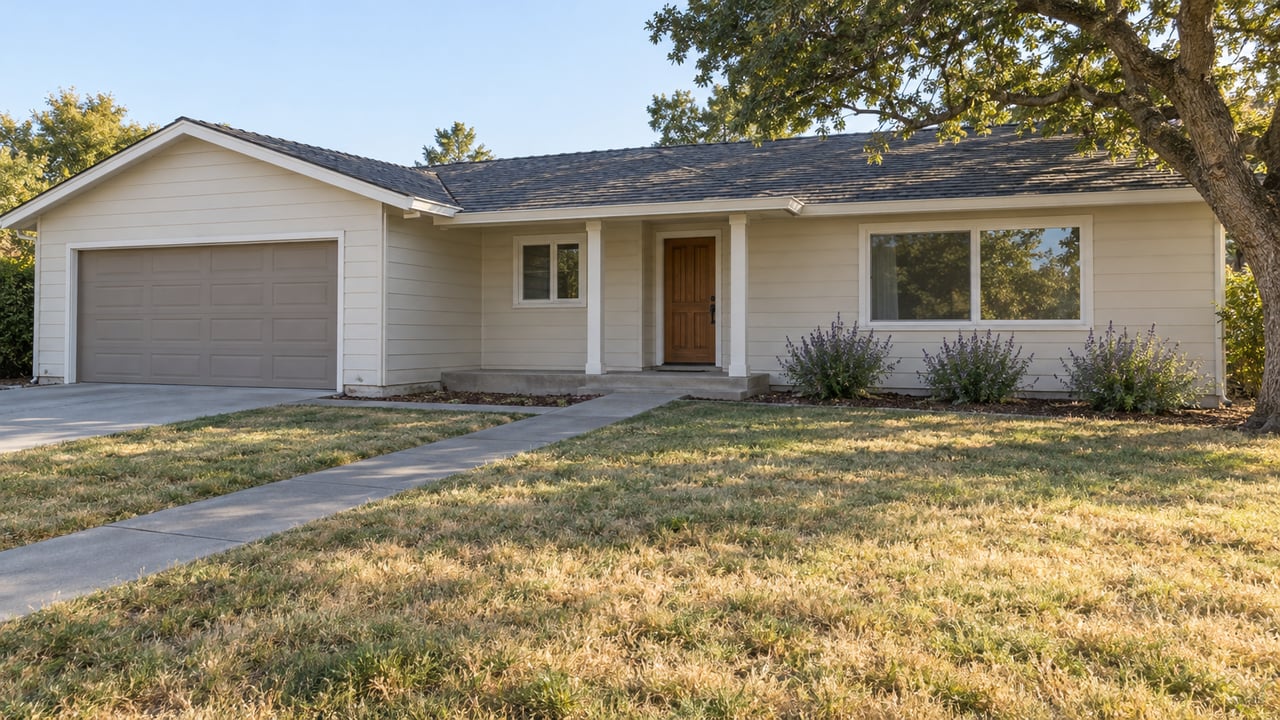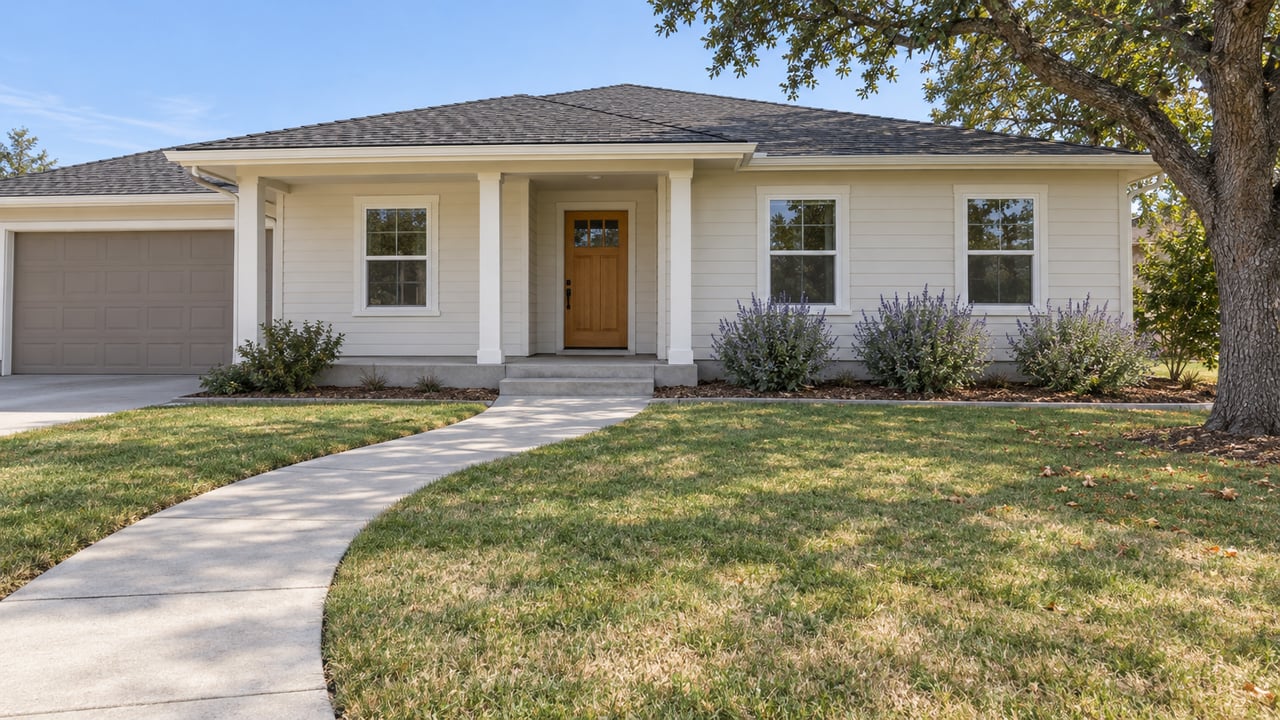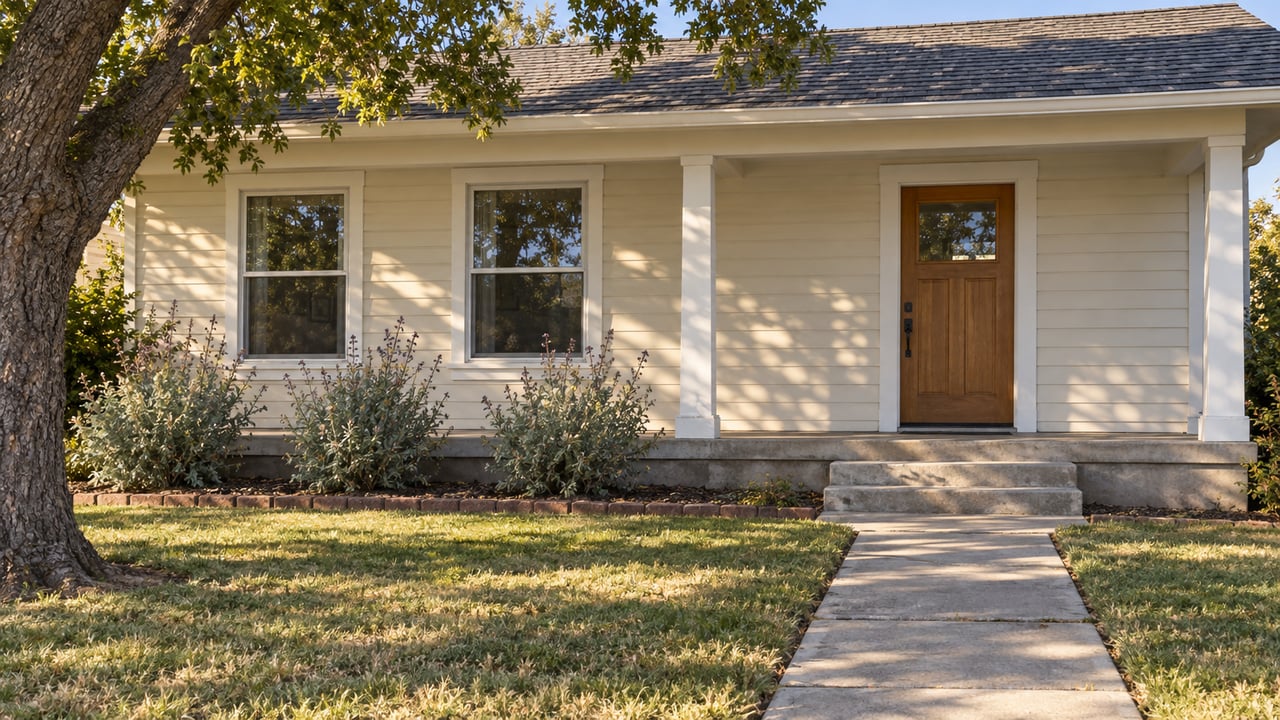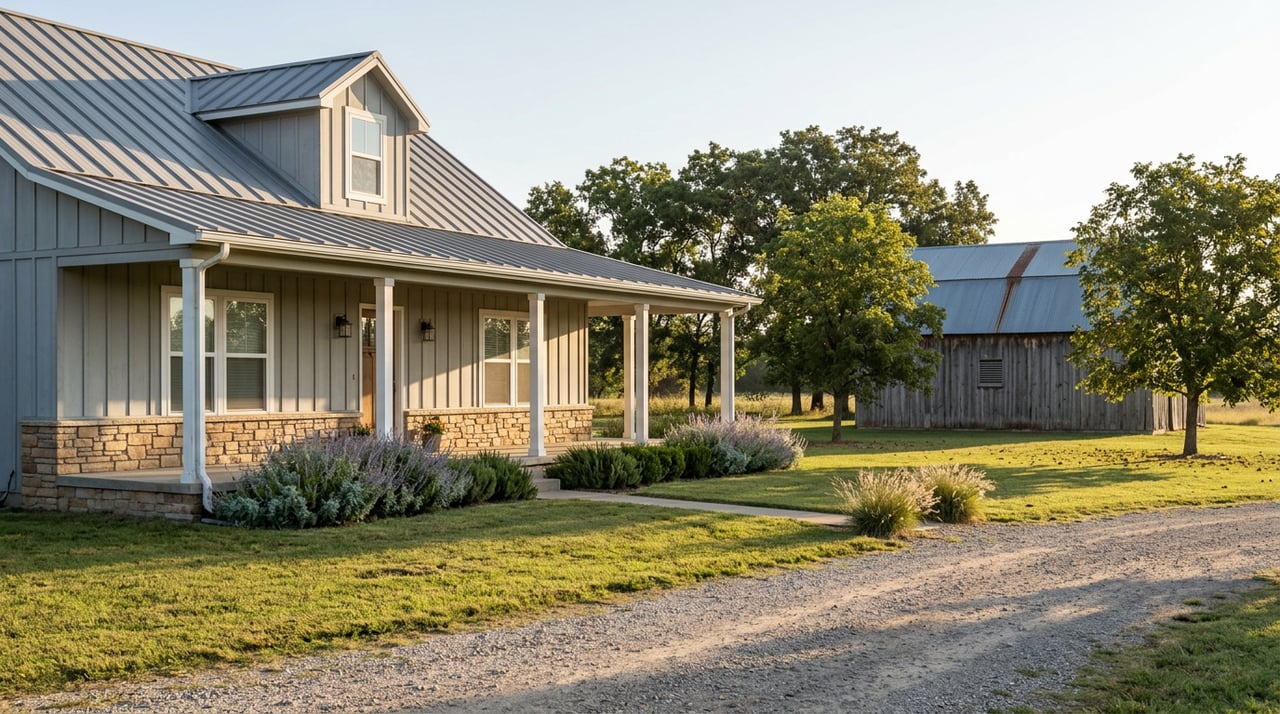
In April 2026, a 2.83-acre parcel on Gallagher Road in Rio Oso closed at $81,272 per acre. It had sat on the market for 114 days and sold 26 percent below its original asking price. No red flags in that combination on its own. Price cuts and long marketing periods happen on rural land all the time.
What's odd is the number itself. Right now, current listing data for Sutter County puts the median price per acre for undeveloped land at $29,575, and the median across active farm listings at $25,341 an acre. The Gallagher Road sale closed at roughly three times the county median, even after a steep discount from list.
That gap isn't a pricing mistake. It's a clue. In Rio Oso, "price per acre" isn't measuring one thing. It's measuring at least three different economic instruments that happen to share the same unit of measurement.
Three Instruments, One Label
The first instrument is small-parcel acreage. A small parcel close to Highway 70 with usable access, a well or a spot in a water district, and room for a house prices like a homesite, not like farmland. Size works against it here: the fewer acres involved, the higher the per-acre number tends to run, because the buyer isn't paying for farm income potential. They're paying for homesite appeal.
The second is bare or row-crop ground with no permanent planting. This is what the county median mostly reflects. It prices closer to soil class and water rights than to anything else. Rio Oso sits inside water district territory that includes Brophy Water District, which draws from the Yuba River, and South Sutter Water District, which serves other parcels in the area. Two bare parcels a half mile apart can carry very different values depending on which district, and which allocation, actually reaches them.
The third is producing orchard ground, and this is the one that moves the most from year to year, because its value is tied directly to what the trees on it are worth to grow.
| Land type | What actually sets the price | Where it tends to land relative to the county median |
|---|---|---|
| Small parcel with homesite appeal | Access, septic/well capacity, proximity to a paved road | Well above median, sometimes far above |
| Bare ag ground, no orchard | Soil class, water district and allocation | Close to the county median |
| Producing walnut orchard | Variety, age, remaining productive years, current nut prices | Can run well above median when healthy, or converge toward it when marginal |
A listing that quotes a per-acre price without saying which of these three it's actually selling is giving you a number without the thing that number is supposed to represent.
Why the Walnut Math Changed Under Everyone's Feet
Rio Oso has a long history with walnuts, and orchard ground here has traditionally carried a premium over bare dirt. That premium isn't fixed. It rises and falls with the economics of actually growing the crop, and those economics shifted hard against growers over the past several years.
American AgCredit's 2026 analysis of walnut production costs put operating expenses at roughly $3,808 per acre this year, up from a much lower inflation-adjusted baseline in 2017. To break even at that cost level, growers now need about 63 cents per inshell pound, compared to 38 cents in 2017. Run the same math forward into a new planting and the payoff horizon stretches out to somewhere between the 13th and 17th year of the orchard's life, depending on financing, versus a break-even point reached years earlier under 2017 assumptions. New plantings have dropped off sharply as a result.
AgWest Farm Credit's February 2026 land values report frames the effect on land itself: water supply constraints combined with depressed prices for several tree nut commodities, including walnuts, have pushed values down for some agricultural properties in California, while orchards with desirable varieties and strong remaining productive life have seen tree nut pricing stabilize enough to hold their ground.
Translate that into a Rio Oso listing and it means an old orchard planted to a variety that's fallen out of favor may now price close to what the bare ground underneath it would fetch on its own, because the cost of keeping the trees no longer clears a return that beats starting over. A young orchard in a strong variety with real years of production left can still carry a genuine premium. The gap between those two outcomes is exactly the kind of thing a bare per-acre number won't tell you.
The Contract That Doesn't Show Up in the Photos
The other variable that changes what an acre in Rio Oso is actually worth to you doesn't come from the soil or the trees at all. It comes from a piece of paper.
The Williamson Act, formally the California Land Conservation Act of 1965, lets a landowner contract with the county to keep land in agricultural or open-space use in exchange for having it taxed on farm income value instead of market value. According to the California Department of Conservation's own program FAQ, the state estimates the tax savings can run anywhere from 20 to 75 percent depending on the property, and a separate 1989 study found that a third of enrolled farmers and ranchers said they'd have given up the land without it.
Here's the part that matters at closing: the contract runs with the land, not with the person who signed it. A buyer inherits it. Getting out of one isn't simple or quick. A landowner can file for nonrenewal, which Ventura County's Assessor's Office says lets the contract lapse over the remaining nine years of a standard ten-year term, or petition for outright cancellation, which the state's Williamson Act FAQ describes as requiring county approval and being disfavored, and which Riverside County's Planning Department says carries a fee equal to 12.5 percent of the land's unrestricted fair market value.
Two Rio Oso parcels can list at nearly identical per-acre prices while carrying completely different futures. A Williamson Act contract, by contrast, comes with a tax break today and a real cost, in time or money, attached to changing course later.
A per-acre number on a Rio Oso listing is a snapshot of one clock. The homesite appeal, the water allocation, the orchard economics, and any Williamson Act contract are all running on different schedules underneath it.
What This Means If You're Actually Pricing a Parcel
- Ask what the price is actually pricing. A small parcel's high per-acre number usually reflects homesite appeal, not farm value, and shouldn't be judged against a countywide land median that mostly describes bare ag ground.
- Confirm the water source and district by parcel, not by area. Brophy Water District and South Sutter Water District both serve the Rio Oso area, but not every parcel sits inside the same allocation.
- If there's an orchard, ask the variety, the planting year, and whether recent prices for that specific nut have been trending toward stabilization or decline. A healthy young block and a tired old one can sit on physically identical soil and be worth very different amounts.
- Ask directly whether the parcel carries a Williamson Act contract, and if so, whether a nonrenewal notice has already been filed. That single question changes what you're actually buying, regardless of what the per-acre price says.
None of this makes Rio Oso a harder place to buy or sell land. It makes it a place where the headline number is doing less work than it looks like, and where a buyer or seller who asks the right four questions ends up with a much clearer picture than the listing sheet alone provides.
FAQ
Does every rural parcel near Rio Oso have its own well? Not automatically. Several parcels in the area rely on water district allocations, including Brophy Water District, which draws from the Yuba River, rather than a private well alone. Confirm the actual source and yield for the specific parcel rather than assuming it matches a neighboring property.
Can I build a house on land enrolled in a Williamson Act contract? Check with the county before planning a home on a Williamson Act parcel.
If an orchard looks old, is it automatically worth less than bare ground? Not necessarily. Variety and remaining productive life matter more than age alone. Some older orchards in strong varieties are still holding value as tree nut pricing stabilizes, while marginal or aging blocks in less desirable varieties are the ones most likely to price down toward bare ground.
If you're weighing a specific parcel in Rio Oso, or trying to figure out what a listed price per acre is actually telling you, Taylor Zapata has spent years working land and lifestyle sales across the Yuba-Sutter-Placer region and can walk through the specifics with you. Let's Connect.
This article is general information, not legal, tax or financial advice. Consult a qualified professional about your situation.